
 By
By 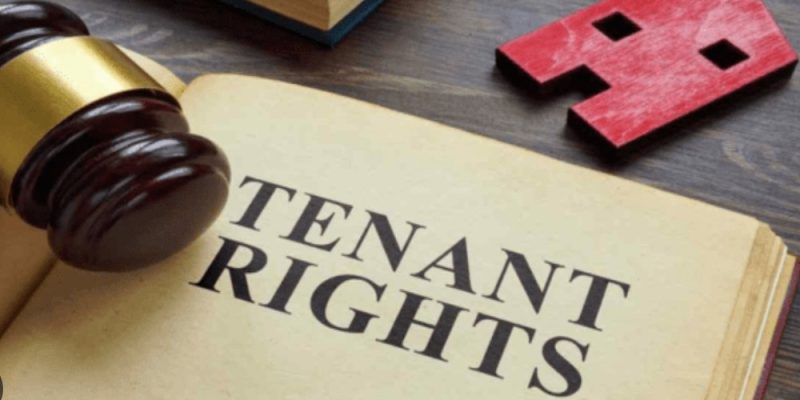
The relationship between landlords and tenants is governed by laws designed to protect both sides. While tenants have rights that help ensure safe and fair housing, landlords also have rights that protect their property and investment. Understanding these rights can help prevent disputes and create a more positive rental experience for everyone involved.
Tenant Rights
Tenants have several important legal protections. One of the most basic rights is the right to a safe and habitable living space. Landlords are generally responsible for maintaining the property and making necessary repairs to keep it safe for occupancy.
Tenants also have the right to privacy. In most situations, landlords must provide proper notice before entering a rental unit, except in emergencies. This allows tenants to enjoy their homes without unnecessary disruptions.
Another important tenant right is protection against discrimination. Federal, state, and local housing laws often prohibit discrimination based on factors such as race, color, religion, national origin, sex, disability, or family status.
Landlord Rights
Landlords also have important rights under the law. One of the most significant is the right to collect rent according to the terms of the lease agreement. Timely rent payments are essential for maintaining the property and covering operating expenses.
Landlords also have the right to enforce lease terms. If a tenant violates the lease by causing property damage, keeping unauthorized occupants, or failing to follow agreed-upon rules, the landlord may have legal options to address the issue.
Additionally, landlords have the right to protect their property. This includes conducting inspections when permitted by law and addressing maintenance concerns that may affect the property’s condition.
Responsibilities on Both Sides
Rights come with responsibilities. Tenants are generally responsible for paying rent on time, following lease terms, and caring for the property. Landlords are responsible for maintaining safe living conditions, making necessary repairs, and complying with housing laws.
Good communication often helps prevent misunderstandings before they become larger disputes. When both parties understand their rights and responsibilities, many rental issues can be resolved more effectively.
When Legal Help May Be Needed
Disputes involving evictions, lease violations, security deposits, repairs, or property damage can become complicated. In these situations, legal guidance can help both landlords and tenants understand their options and obligations under the law.
At Siddiqi Law Group PC, we help clients navigate landlord-tenant matters with clarity and confidence. We work with property owners and tenants to explain their rights, resolve disputes, and pursue practical legal solutions. We focus on protecting our clients’ interests while helping them move forward through challenging housing-related issues.
This post was written by a professional at Siddiqi Law Group PC. Siddiqi Law Group PC is a trusted real estate and landlord-tenant law firm in New York, serving Queens, Brooklyn, and the Bronx. With over 40 years of combined experience, our landlord lawyers and tenant eviction attorneys handle holdover and non-payment cases, building violations, fire code issues, deed transfers, and real estate closings. Whether you’re a property owner or tenant, our team provides clear guidance and efficient representation. Contact Siddiqi Law Group PC for an experienced landlord lawyer in NYC you can trust.






Comments